
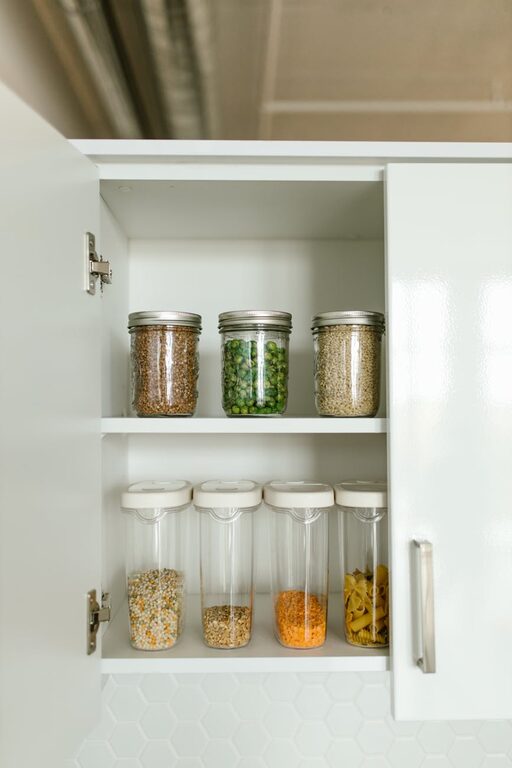
Keeping your fridge and pantry tidy is a simple way to create a more efficient and pleasant kitchen environment. An organized food storage area not only saves time when cooking but also helps reduce food waste and ensures your groceries stay fresh longer. In this post, you’ll discover practical strategies to maintain order and cleanliness in your fridge and pantry with minimal effort.
Why Keeping Your Fridge and Pantry Tidy Matters
A cluttered fridge or pantry can be frustrating. Items get lost in the back, expire unnoticed, or spill over creating messes that are hard to clean. On the other hand, a well-organized fridge and pantry allow you to:
– Quickly find ingredients and plan meals
– Reduce food spoilage by tracking expiry dates
– Save money by preventing duplicate purchases
– Maintain hygienic food storage conditions
Now, let’s dive into practical tips to help you keep these spaces neat and functional.
Step 1: Declutter and Clean Regularly
Remove Everything and Sort
Start by taking all the items out of your fridge and pantry. This clears the space and allows you to see everything you have.
– Check expiration dates and discard expired or spoiled products.
– Group similar items together (e.g., canned goods, snacks, condiments).
– Note down any staples you need to restock.
Deep Clean the Spaces
Before putting items back:
– Wipe down shelves and drawers with a mild cleaning solution.
– Sweep or vacuum pantry floors.
– Clean spills or crumbs immediately to avoid pests.
Regular cleaning—about once a month or when you notice mess—will keep your spaces fresh.
Step 2: Use Storage Containers and Labels
Invest in Clear Containers
Clear, airtight containers are great for storing loose items such as:
– Grains (rice, quinoa)
– Flour and baking supplies
– Snacks and cereals
They keep food fresh and make it easier to see what you have.
Label Everything
Use simple labels for containers and shelves. This helps everyone in your household know where things belong and encourages putting items back correctly.
– Write the item name and date opened.
– For pantry shelves, labels like “Breakfast,” “Canned Foods,” or “Baking” work well.
Step 3: Organize Your Fridge Efficiently
Know Where to Store Different Foods
Not all fridge areas are equally cold or humid. Use these guidelines:
– Top shelves: Ready-to-eat foods like leftovers, drinks, and herbs.
– Middle shelves: Dairy products such as milk, cheese, and yogurt.
– Bottom shelves: Meat and fish, ideally on a tray to catch drips.
– Crisper drawers: Fresh fruits and vegetables (keep these separate to avoid ethylene gas damage).
– Door shelves: Condiments, salad dressings, and juice (avoid storing milk here since it’s warmer).
Use Bins and Trays
Small bins or trays keep similar items together and reduce spills.
– A snack bin for kids.
– A deli meat drawer or tray to keep packaged items tidy.
– Lazy Susans for easy access to sauces and bottles.
Step 4: Maintain Your Pantry with Smart Habits
Store Food by Category and Frequency of Use
Arrange pantry items by type, grouping cans, baking ingredients, snacks, and breakfast items separately. Place frequently used items within easy reach, and less-used items higher up.
Utilize Vertical Space
Use shelf risers, stackable bins, or hanging organizers to maximize storage.
Rotate Stock
Apply the principle “first in, first out” by placing new groceries behind older ones to use up older supplies before they expire.
Keep a Shopping List
Maintain a running list on your fridge or in a phone app to track what you need. This helps avoid buying duplicates and impulse purchases.
Step 5: Develop Quick Daily and Weekly Routines
Daily Checks
– Wipe spills immediately to prevent buildup.
– Put groceries away promptly.
– Quickly scan for items nearing expiration.
Weekly Tidying
– Do a quick inventory of perishables.
– Toss out any unwanted or spoiled items.
– Adjust shelf order as needed based on planned meals.
Bonus Tips
– Use moisture-absorbing packets or fridge deodorizers to keep smells fresh.
– Avoid overcrowding the fridge and pantry; leaving space improves air circulation.
– Keep a small step stool handy for high shelves.
– Encourage everyone in the household to help maintain order by setting simple rules.
Conclusion
Keeping a tidy fridge and pantry is achievable with a little planning and consistent effort. These steps not only make your kitchen more inviting but also save you time, reduce waste, and help you enjoy cooking even more. Start with decluttering, invest in clear storage, organize thoughtfully, and build daily habits to maintain order all year round. Your kitchen—and your meals—will thank you!
—
If you found these tips helpful, feel free to share your own fridge or pantry organizing hacks in the comments below. Happy organizing!