
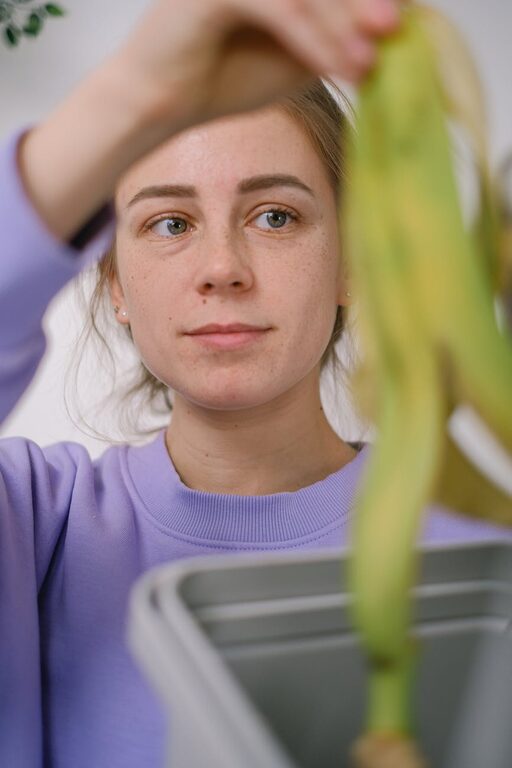
Composting at home is a fantastic way to reduce waste, enrich your garden soil, and contribute to a healthier environment. If you’re just starting out, the process might seem a bit overwhelming, but with a few simple tips and a bit of patience, you can easily create your own compost pile or bin. In this guide, we’ll walk you through everything you need to know to begin composting at home.
What Is Composting?
Composting is the natural breakdown of organic materials like food scraps and yard waste into nutrient-rich soil. This process is facilitated by microbes, insects, and other decomposers. Instead of sending those scraps to the landfill, where they release methane, composting transforms them into a valuable resource for your garden.
Benefits of Composting at Home
– Reduces household waste by diverting organic materials from the trash.
– Improves soil health by adding essential nutrients.
– Enhances plant growth with natural fertilizers.
– Saves money on commercial soil amendments.
– Supports a sustainable lifestyle by minimizing your carbon footprint.
Getting Started: Choose Your Composting Method
Backyard Compost Bin or Pile
If you have a backyard or garden space, you can start a compost pile or use a compost bin. Bins are easy to maintain and keep pests away.
Indoor Composting
For those without outdoor space, indoor composting options like vermicomposting (using worms) or bokashi (fermentation) systems are great alternatives.
What Materials to Compost
Greens (Nitrogen-Rich Materials)
– Fruit and vegetable scraps
– Coffee grounds and filters
– Tea bags (make sure they are compostable)
– Fresh grass clippings
Browns (Carbon-Rich Materials)
– Dry leaves
– Straw or hay
– Cardboard and paper (shredded)
– Wood chips or sawdust (untreated)
What to Avoid
– Meat, dairy, and oily foods (can attract pests)
– Diseased plants or weeds with seeds
– Pet waste
– Synthetic chemicals or treated wood
Step-by-Step Guide to Starting Your Compost
1. Select a Location
Choose a dry, shady spot with good drainage for your compost bin or pile. This will help maintain moisture without getting soggy.
2. Layer Your Materials
Start with a layer of coarse “browns” like twigs or straw to help with aeration. Alternate layers of greens and browns, aiming for a balance roughly 2:1 carbon to nitrogen ratio.
3. Maintain Moisture
Your compost pile should feel like a wrung-out sponge — damp but not dripping. Water occasionally, especially in dry weather.
4. Turn the Pile Regularly
Aerate your compost by turning it with a pitchfork or shovel every week or two. This speeds up decomposition by providing oxygen to the microbes.
5. Be Patient
Composting can take anywhere from a few weeks to several months, depending on conditions. Finished compost will be dark, crumbly, and smell earthy.
Troubleshooting Common Composting Issues
| Problem | Cause | Solution |
|—————————–|——————————————————–|———————————————-|
| Bad odor | Too much green material or too wet | Add browns, turn pile, reduce moisture |
| Pests (rats, flies) | Food scraps like meat or oily foods | Avoid these materials, use a secure bin |
| Compost not heating up | Pile too small or lacking nitrogen | Add more greens, increase pile size |
| Slow decomposition | Too dry or compacted pile | Water regularly, turn pile to aerate |
Tips for Success
– Chop or shred materials to speed up breakdown.
– Use a kitchen scrap bin with a lid for convenience.
– Avoid adding invasive weeds or plants.
– Keep your compost covered to retain moisture and heat.
– Keep experimenting and learning – composting is forgiving!
Using Your Finished Compost
Once your compost is ready, use it to:
– Enrich garden beds and potted plants.
– Mix with potting soil for seedlings.
– Top dress your lawn to boost growth naturally.
Composting at home is a rewarding practice that benefits your garden and the planet. With these beginner tips, you’re well on your way to turning everyday waste into garden gold. Happy composting!