
Bringing houseplants into your home adds a touch of nature, improves air quality, and creates a calming atmosphere. However, keeping them healthy requires some attention and care. Whether you’re a seasoned plant parent or a beginner, these tips will help you maintain thriving indoor plants.
Understanding Your Houseplants’ Needs
Every plant species has unique requirements. Understanding what your particular houseplants need is the first step toward successful care.
Light Requirements
– Assess natural light: Different plants prefer varying light levels. Some thrive in direct sunlight, while others do well in low light.
– Placement tips: Place sun-loving plants like succulents near south-facing windows. Shade-tolerant plants like snake plants or pothos can thrive in corners or north-facing windows.
Watering Patterns
– Avoid overwatering: One of the most common mistakes is watering too frequently, which can cause root rot.
– Check soil moisture: Use your finger or a moisture meter to assess if the soil is dry before watering.
– Adjust with seasons: Plants usually need less water in winter than in summer when they grow actively.
Temperature and Humidity
– Maintain stable temperatures: Most houseplants prefer temperatures between 65-75°F (18-24°C).
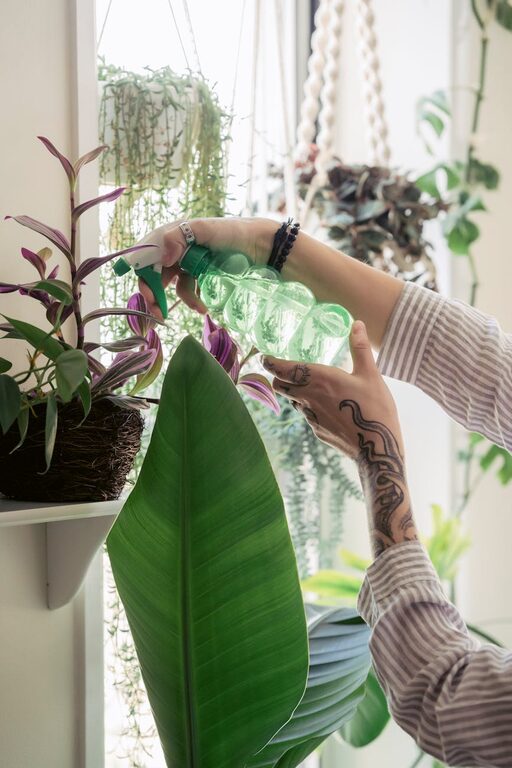
– Humidity needs: Tropical plants like ferns and peace lilies appreciate higher humidity, which you can provide with misting, pebble trays, or humidifiers.
Basic Care Tips for Healthy Houseplants
Keeping houseplants healthy involves several daily and weekly routines. Here are some essential tips to include in your plant care schedule.
Right Pot and Soil
– Choose well-draining pots: To prevent waterlogging, make sure your pots have drainage holes.
– Use appropriate soil: Different plants prefer different soil types. Cacti and succulents need gritty, sandy soil, while most houseplants thrive in general potting mix.
Regular Feeding
– Fertilize during growing season: Feed plants with balanced, water-soluble fertilizer about once a month during spring and summer.
– Reduce feeding in dormancy: Many plants slow growth in winter, so nutrition needs decrease.
Pruning and Cleaning
– Remove dead leaves: Trim yellow or brown leaves to keep plants looking tidy and to prevent disease.
– Dust leaves: Clean dust off leaves with a damp cloth or gentle shower to improve photosynthesis.
Pest Prevention
– Inspect routinely: Check for common pests like spider mites, aphids, and scale insects.
– Natural remedies: Use insecticidal soap or neem oil as a safe treatment for infestations.
– Quarantine new plants: Keep new plants separate for a couple of weeks to avoid spreading pests.
Helpful Tools and Techniques
Making use of some tools and methods can simplify plant care.
Using Moisture Meters
These devices help measure the moisture level of soil accurately, reducing guesswork in watering.
Grouping Plants Together
Grouping plants can create a microenvironment with slightly higher humidity, beneficial especially for tropical species.
Self-Watering Systems
Self-watering pots or water globes provide consistent moisture, especially handy if you travel frequently.
Troubleshooting Common Problems
Even with good care, problems can arise. Here’s how to address some of the most frequent issues.
Wilting or Yellowing Leaves
– Could indicate underwatering, overwatering, or insufficient light.
– Check soil moisture and adjust watering habits accordingly.
– Move the plant to a brighter or more appropriate light location if necessary.
Brown Leaf Tips
– Often a sign of low humidity or salt buildup from fertilizer.
– Increase humidity by misting or using a humidity tray.
– Flush the soil with water occasionally to remove excess salts.
Root Rot
– Usually caused by overwatering or poor drainage.
– If you detect foul smell or mushy roots, repot the plant in fresh soil and a well-draining container.
Final Thoughts
Keeping houseplants healthy is a rewarding hobby that brings beauty and freshness into your home. By understanding their needs, paying attention to care routines, and acting promptly when issues arise, your plants will flourish. Remember, patience and observation are key – every plant has its rhythm and preferences. Happy planting!
—
If you enjoyed this guide, feel free to share your own houseplant care tips or questions in the comments below!