
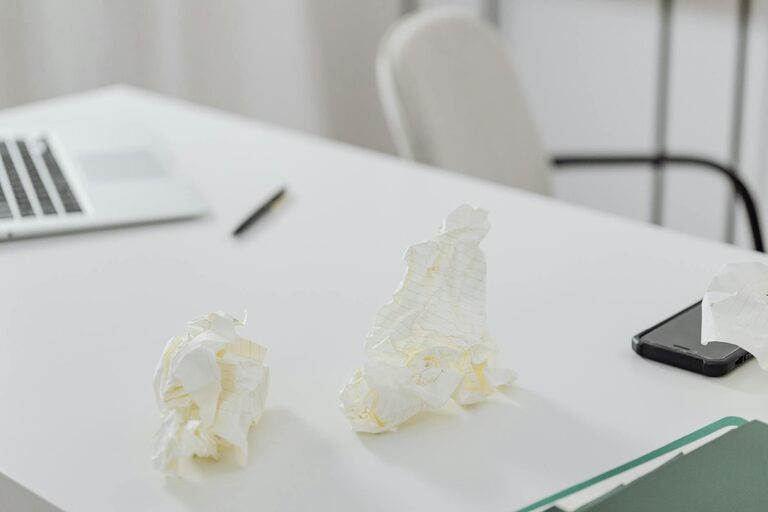
Keeping paper clutter under control is a challenge many households face. From bills and receipts to mail and school papers, the piles can quickly take over your space and create stress. Fortunately, managing paper clutter doesn’t have to be difficult. With a few simple strategies, you can reduce the amount of paper in your home and keep it organized.
In this post, we’ll explore practical tips that anyone can apply to tackle household paper clutter efficiently.
Why Reducing Paper Clutter Matters
Too much paper lying around can make your home feel chaotic and overwhelming. It’s easy to lose important documents, miss bills, or waste time searching for what you need. By minimizing paper clutter, you’ll:
– Create a calmer, more orderly living space
– Save time managing documents
– Lower stress related to disorganization
– Free up valuable storage space
Now, let’s dive into some straightforward ways to make paper clutter a thing of the past.
1. Go Digital Whenever Possible
One of the best ways to reduce paper clutter is to opt for digital alternatives.
– Switch to electronic bills and statements: Most service providers offer paperless billing. Sign up for email notifications to have your bills delivered digitally.
– Use apps for note-taking and lists: Replace sticky notes and paper lists with apps on your phone or computer.
– Scan important documents: Use a scanner or mobile scanning app to keep digital copies of receipts, warranties, and records. Store them in organized folders on your computer or cloud storage.
Going digital reduces the physical pileup and makes searching for important documents faster and easier.
2. Create a Centralized Paper Management Station
Set up an area in your home dedicated to handling paper.
– Incoming mail tray: Place a tray or basket by the door where you can put all incoming mail.
– Shred or recycle immediately: Have a shredder and recycling bin nearby to quickly dispose of junk mail or outdated papers.
– Action folders: Use labeled folders like “To Pay,” “To File,” and “To Review” to sort papers that require your attention.
Having a clear system prevents papers from scattering around and accumulating in random spots.
3. Sort and Purge Regularly
Decluttering paper is easier when done often.
– Set a weekly or monthly routine: Schedule time to go through your paper piles and deal with them.
– Ask yourself if you really need to keep each paper: Toss anything that is outdated or unnecessary.
– Organize essential papers: Store important items like tax returns or medical documents in clearly labeled, sturdy files or binders.
Regular purging keeps clutter from becoming overwhelming and helps you maintain control over your paperwork.
4. Use Smart Storage Solutions
When you need to keep papers, use effective storage tools.
– Filing cabinets or portable file boxes: Ideal for organizing documents by category.
– Binders with plastic sleeves: Great for keeping receipts or manuals together and protected.
– Accordion folders: Portable and colorful options for sorting papers by month or project.
Choose storage that fits your space and is easy to maintain to encourage consistent organization.
5. Limit Paper Inputs
Reduce the amount of paper coming into your home by being selective.
– Unsubscribe from unwanted catalogs and junk mail: Visit services like DMAchoice to limit unsolicited mail.
– Choose digital subscriptions: Newspapers and magazines often offer digital-only options.
– Consider paperless gift cards and tickets: Many stores and events provide e-gift cards and mobile tickets instead of paper versions.
Being mindful about what enters your home is a proactive way to prevent clutter.
6. Establish Clear Paper Habits With Your Family
Paper clutter can pile up quickly in busy households.
– Teach family members to handle their own papers: Encourage kids and adults to sort their school papers or personal mail regularly.
– Create shared guidelines: Agree on rules such as clearing mail daily or minimizing school papers saved.
– Designate individual folders for personal documents: Everyone gets their own spot to manage their paperwork.
When everyone pitches in, your paper management becomes much easier and faster.
7. Repurpose and Reuse When Appropriate
Before tossing paper away, consider if it can be reused.
– Use scrap paper for notes or grocery lists
– Turn school artwork into memory books rather than saving every original
– Recycle paper into craft projects
This not only reduces waste but also adds a creative touch to handling paper.
Final Thoughts
Reducing household paper clutter doesn’t require drastic measures — simple strategies applied consistently can make a big difference. By going digital, organizing incoming papers, purging regularly, and involving your family, you’ll enjoy a tidier, more peaceful home environment.
Start small and build these habits one step at a time. Soon, the paper piles will be under control, and you’ll reclaim both space and peace of mind!